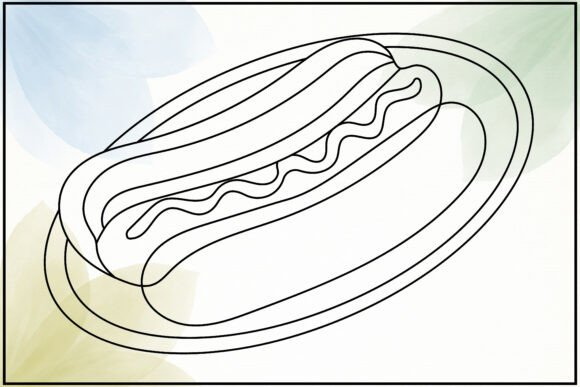
Hot Dog on Tray Line Art
As an embroidery designer and product reviewer, I always start by evaluating a design’s visual appeal, practicality, and potential for real-world use. Hot Dog on Tray Line Art is a simple yet charming illustration that could work well in a variety of projects, especially those with a playful or casual aesthetic.
First Impressions: A Playful Design with Potential
The first thing that stands out about Hot Dog on Tray Line Art is its clean, minimalist style. The line art is straightforward, focusing on the essential shapes of a hot dog and tray without unnecessary embellishments. This makes it ideal for projects where clarity and simplicity are key. The design has a friendly, approachable vibe that could work well for children’s items, casual apparel, or even quirky home decor.
The layout is balanced, with the hot dog centered on the tray, making it easy to position on different types of fabric. The level of detail is moderate—enough to be recognizable but not so intricate that it would overwhelm smaller hoop sizes or delicate fabrics. It feels like a design that was created with practicality in mind, rather than just artistic flair.
Real-World Embroidery Use Cases
Hot Dog on Tray Line Art could easily find a home in a range of embroidery projects. For example, imagine creating a custom tote bag design for a local café or food truck. The design would look great on a cotton canvas tote, adding a fun touch to everyday shopping or commuting. It also works well as a sweatshirt embroidery, especially for casual wear or promotional merchandise.
For baby items, this design could be used on onesies, burp cloths, or nursery wall art. Its simple lines make it less likely to get lost in small details, which is important when working with baby clothes. As an embroidered patch, it could be sewn onto backpacks, jackets, or caps, giving a personalized touch to any outfit.
This design also has potential for holiday or seasonal projects. Imagine using it on a Christmas mug or a festive pillow cover. The clean lines make it adaptable to different color schemes and fabric types, which is a big plus for designers looking to create versatile design assets.
Where to Be Careful: Limitations and Considerations
While Hot Dog on Tray Line Art is generally straightforward, there are a few areas where care is needed. If you're working with small hoop sizes, the design might need to be split into sections to ensure proper stitching. This can add time and complexity to the project, so it’s worth testing first.
On textured or stretchy fabrics, the design may not sit as smoothly as it would on a flat, stable surface. Thin or dark fabrics could also pose challenges, especially if the thread color doesn’t contrast enough. For these cases, it’s best to test the design on a scrap piece of fabric before committing to a full project.
When using this design on curved surfaces like caps or hoods, the line art might appear distorted if not properly adjusted. Similarly, if the design includes tiny lettering or detailed corners, they could become blurred or lost during the stitching process. It’s important to review the stitch density and ensure that the design is optimized for the intended application.
Impact on Visual Appeal and Customer Perception
Hot Dog on Tray Line Art has a clear visual identity that can enhance the appeal of any product it’s used on. Its simplicity makes it easy to recognize, which is great for branding or marketing purposes. When used on custom apparel or handmade products, it adds a personal, creative touch that customers often appreciate.
From a commercial standpoint, this design can help build trust with buyers who are looking for quality, well-crafted items. The clean lines and consistent shape make it easy to reproduce accurately, which is important for maintaining brand consistency across different products.
As a personalized gift or holiday item, Hot Dog on Tray Line Art can stand out from generic designs. It offers a unique, eye-catching element that can make a product more memorable and desirable. Whether it's for a friend, family member, or customer, the design adds value through its charm and versatility.
Practical Designer Notes: Test Before You Stitch
Before using Hot Dog on Tray Line Art in a client project or for sale, I recommend doing a few quick tests. Start by stitching it on scrap fabric to see how the lines hold up and whether the design looks as expected. Check the thread color contrast—especially on dark or light backgrounds—to ensure visibility and clarity.
Review the stitch density to make sure it’s appropriate for the fabric type. If the design is too dense, it could cause puckering or stiffness. If it’s too sparse, the lines might not show up well. Confirm the hoop size required for the design and make sure your machine can accommodate it.
Inspect small details like corners or edges to see if they’re sharp and well-defined. Test the design in black and white mockups to understand how it will look on different fabrics. Finally, check if the design is suitable for both personal and commercial use, and confirm the licensing terms before selling finished products or digital files.
Conclusion: A Versatile Design with Clear Applications
Hot Dog on Tray Line Art is a solid choice for designers looking for a simple, adaptable illustration. It works well in a variety of embroidery projects, from casual apparel to personalized gifts. While it has some limitations in certain applications, its clean lines and friendly style make it a valuable addition to any design library.
Whether you're an Etsy seller, a craft business owner, or a hobbyist, this design offers a balance of creativity and practicality. With careful consideration and testing, it can be a reliable asset in your embroidery workflow and a hit with your customers.